Maximizing Productivity with a Minimalist Daily Planner Sheet
In today's fast-paced world, staying organized and productive is more important than ever. The Minimalist Daily Planner Sheet offers a simple yet effective solution for managing your daily tasks, projects, and goals. This versatile tool is designed to fit seamlessly into various workflows, making it an essential asset for professionals, creators, and anyone looking to enhance their productivity.
Understanding the Minimalist Daily Planner Sheet
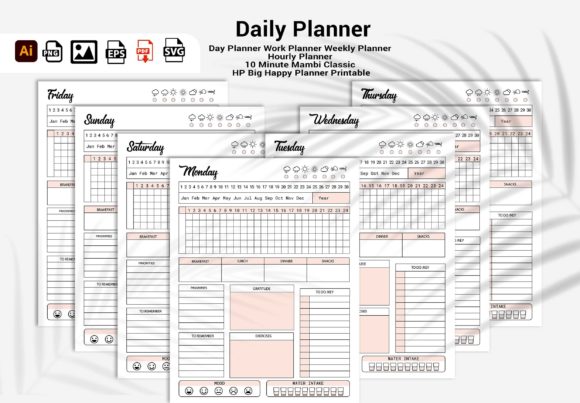
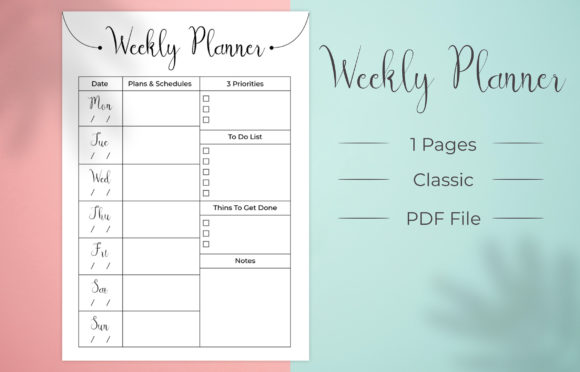
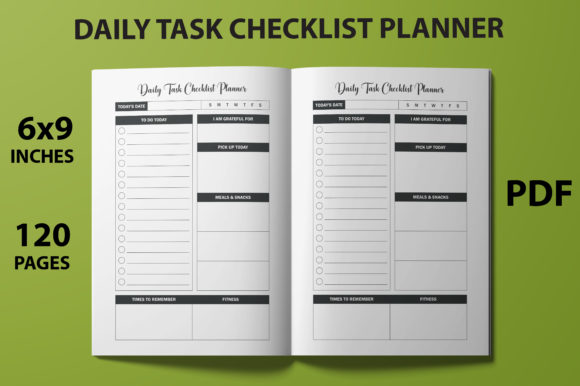
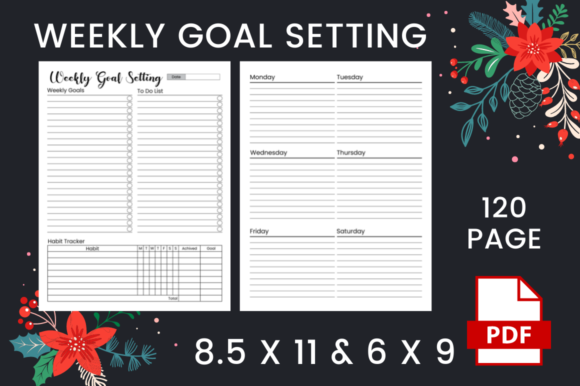
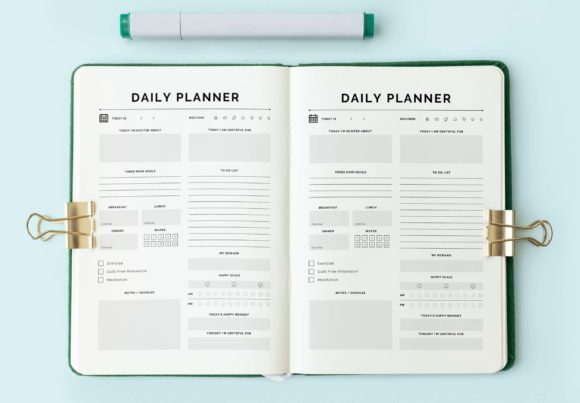
The Minimalist Daily Planner Sheet is a streamlined, single-page design that allows you to focus on what truly matters. Each page is thoughtfully laid out to help you plan your day, week, or even month, without the clutter of unnecessary details. This simplicity makes it ideal for those who prefer a clean and uncluttered approach to planning.
Whether you are a busy professional, a creative, or a small business owner, this planner can be a valuable addition to your toolkit. It helps you stay on track, meet deadlines, and achieve your goals with ease.
Preparation and Setup
Before diving into your daily planning, take a moment to set up your planner. The Minimalist Daily Planner Sheet is available as a print-ready PDF, which means you can easily print multiple copies at home or at your nearest print shop. This flexibility allows you to have as many pages as you need, ensuring you never run out of space to plan.
- Print the Pages: Print the planner sheets on high-quality paper to ensure they last and are easy to write on.
- Bind or Clip: Consider binding the pages into a notebook or using a clipboard to keep them organized and portable.
- Gather Supplies: Have a pen or pencil ready, along with any other tools you might need, such as highlighters or sticky notes.
Integrating into Your Workflow
One of the key benefits of the Minimalist Daily Planner Sheet is its adaptability. You can integrate it into your existing workflow in several ways:
- Morning Planning: Start your day by reviewing your tasks and priorities. Write down the most important tasks for the day, and allocate time slots for each one. This helps you stay focused and ensures you tackle the most critical tasks first.
- Ongoing Task Management: Throughout the day, use the planner to keep track of completed tasks and make adjustments as needed. This real-time tracking helps you stay on top of your schedule and make any necessary changes promptly.
- End-of-Day Review: At the end of the day, review what you accomplished and what needs to be carried over to the next day. This reflection helps you identify areas for improvement and plan more effectively for the future.
Practical Implementation Tips
To get the most out of your Minimalist Daily Planner Sheet, consider the following tips:
- Prioritize Tasks: Use the planner to list your tasks in order of priority. This helps you focus on the most important activities and ensures you don't overlook anything crucial.
- Set Time Blocks: Allocate specific time blocks for different tasks. This technique, known as time blocking, can significantly improve your productivity by reducing distractions and helping you stay on task.
- Use Visual Cues: Highlight or use symbols to mark important tasks or deadlines. This visual differentiation makes it easier to quickly identify key items at a glance.
- Review Regularly: Make it a habit to review your planner regularly. This can be done daily, weekly, or monthly, depending on your needs. Regular reviews help you stay on track and make any necessary adjustments to your plans.
- Digital Calendars: Sync your daily planner with your digital calendar to ensure all your appointments and deadlines are in one place. This dual approach helps you stay organized and reduces the risk of missing important events.
- Note-Taking Apps: Use note-taking apps like Evernote or Notion to store additional information and reference materials. This combination allows you to have a detailed record of your tasks and related information, making it easier to access and manage.
- Project Management Tools: If you are working on complex projects, you can use project management tools like Trello or Asana alongside your planner. These tools help you break down large projects into smaller, manageable tasks, which you can then incorporate into your daily planner.
- Consistency: Make it a habit to use the planner consistently. Consistent use helps you build a routine and ensures you stay on top of your tasks and goals.
- Flexibility: Be open to adjusting your planning process as needed. Your needs and priorities may change over time, so it's important to be flexible and adapt your planner accordingly.
- Quality Control: Regularly review the effectiveness of your planning process. Identify what works well and what could be improved, and make necessary adjustments to optimize your workflow.
- Integration with Goals: Align your daily planning with your long-term goals. This alignment helps you stay focused and motivated, as you can see how your daily tasks contribute to your overall objectives.
Interacting with Other Tools and Resources
The Minimalist Daily Planner Sheet can be used in conjunction with other tools and resources to create a comprehensive and efficient workflow. Here are some ways to integrate it with other tools:
Factors for Long-Term Use
To ensure the Minimalist Daily Planner Sheet remains a valuable tool in the long term, consider the following factors:
Conclusion
The Minimalist Daily Planner Sheet is a powerful tool for enhancing your productivity and staying organized. By integrating it into your workflow and using it consistently, you can achieve your goals more efficiently and effectively. Whether you are a professional, a creator, or someone looking to streamline your daily tasks, this planner can be a valuable asset in your productivity toolkit.