Recipe Book Journal Vol.1: A Strategic Tool for Achieving Culinary and Business Goals
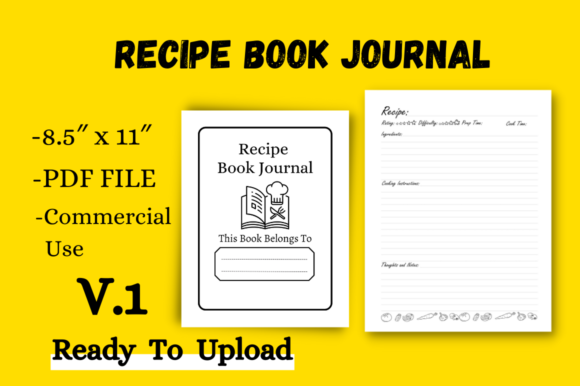
Recipe Book Journal Vol.1 is a meticulously designed template for creating low or no-content books, ideal for publishing on platforms like Amazon KDP. This high-resolution, print-ready PDF file, sized at 8.5" x 11" with 120 pages, offers a versatile solution for individuals and businesses looking to enhance their culinary documentation, planning, and publishing efforts.
Why Recipe Book Journal Vol.1 is Strategically Useful
For entrepreneurs, marketers, creators, and professionals, the Recipe Book Journal Vol.1 serves as a powerful tool for organizing, documenting, and sharing recipes. It can be a cornerstone in your content strategy, helping you to build a brand, engage with an audience, and even generate passive income through book sales.
Supporting Your Goals and Planning
Thoughtful use of the Recipe Book Journal Vol.1 can significantly support your goals by providing a structured format to plan and execute your recipe collection. Whether you are a chef looking to publish a personal cookbook or a small business owner aiming to create a branded recipe book, this journal offers a clear and organized way to present your culinary creations.
Enhancing Creativity and Productivity
The structured yet flexible layout of the Recipe Book Journal Vol.1 encourages creativity while maintaining a professional appearance. By using this journal, you can streamline your creative process, making it easier to brainstorm, test, and refine recipes. This not only boosts productivity but also ensures that each recipe is well-documented and ready for publication.
When and How to Use Recipe Book Journal Vol.1
Consider using the Recipe Book Journal Vol.1 when you are:
- Planning to publish a personal or professional cookbook.
- Looking to document family recipes for future generations.
- Creating a branded recipe book as part of a marketing campaign.
- Organizing a collection of recipes for a specific dietary need or theme.
To approach the Recipe Book Journal Vol.1 effectively, start by defining your objectives. What do you want to achieve with your recipe book? Is it to share your passion for cooking, build a brand, or provide value to a specific audience? Once your goals are clear, you can begin to structure your content, ensuring that each recipe aligns with your overall vision.
Practical Examples and Planning Tips
For example, if you are a blogger focusing on healthy eating, you might use the Recipe Book Journal Vol.1 to compile a collection of nutritious recipes. Each page can be thoughtfully designed to include not just the recipe itself but also nutritional information, tips for variations, and beautiful, high-quality images. This approach not only enhances the user experience but also positions you as a credible and knowledgeable source in your niche.
Strategic Observations and Decision-Making Guidance
Before relying on the Recipe Book Journal Vol.1, consider the following:
- Target Audience: Who are you writing for? Understanding your audience's needs and preferences will help you tailor your content effectively.
- Content Quality: Ensure that each recipe is well-tested and clearly written. High-quality content is essential for building trust and credibility.
- Branding: If you are using the journal for a business, make sure the design and content align with your brand identity. Consistency is key in establishing a strong brand presence.
- Publishing Strategy: Plan how you will market and distribute your recipe book. Will you sell it on Amazon, offer it as a freebie to grow your email list, or use it as a promotional item?
Risks of Using Without Clear Goals or Context
Using the Recipe Book Journal Vol.1 without clear goals or context can lead to a disorganized and ineffective final product. Without a well-defined purpose, your recipe book may lack coherence and fail to resonate with your intended audience. Additionally, poor quality content or a mismatched design can detract from the overall value and impact of your publication.
Intentional Use for Long-Term Results
To use the Recipe Book Journal Vol.1 intentionally, focus on the following:
- Set Clear Objectives: Define what you want to achieve with your recipe book. Whether it's to share knowledge, build a brand, or generate income, having a clear goal will guide your content creation and design choices.
- Plan Thoroughly: Develop a detailed plan for your recipe book, including the types of recipes, the structure, and the design elements. This will ensure a cohesive and professional final product.
- Engage Your Audience: Consider the needs and preferences of your target audience. Tailor your content to meet their expectations and provide value that goes beyond just recipes.
- Monitor and Adjust: After publishing, gather feedback and monitor the performance of your recipe book. Use this information to make adjustments and improvements for future editions.
By approaching the Recipe Book Journal Vol.1 with intention and strategic planning, you can create a valuable and impactful resource that supports your long-term goals and enhances your brand's reputation. Whether you are a seasoned professional or a passionate hobbyist, this journal provides the tools and structure to bring your culinary visions to life.